
Ever wonder what happens to wastewater on its treatment journey?
In each newsletter, we will follow the flow through Stowe to break it down step-by-step. It all starts with wastewater flowing through underground pipes into the Stowe system, including the Headworks & Influent Pump Station, Long Creek Pump Station, Equalization (EQ) Basins, and the pipelines that carry flow under Long Creek to Stowe for treatment.
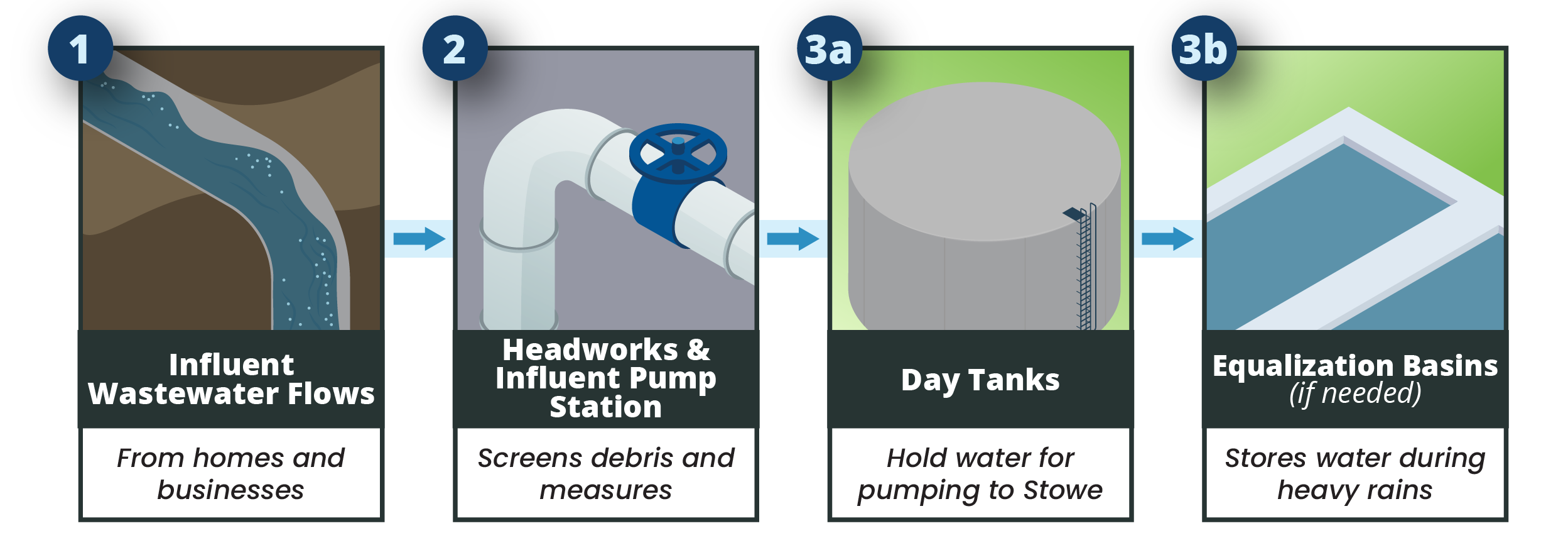
Wastewater arrives from Mount Holly through local lines and first enters the Headworks and Influent Pump Station, where preliminary screening and flow measurement take place. Here, the water flows through channels and screens that catch large debris like trash and sticks. Meters measure how much water is flowing into the system.
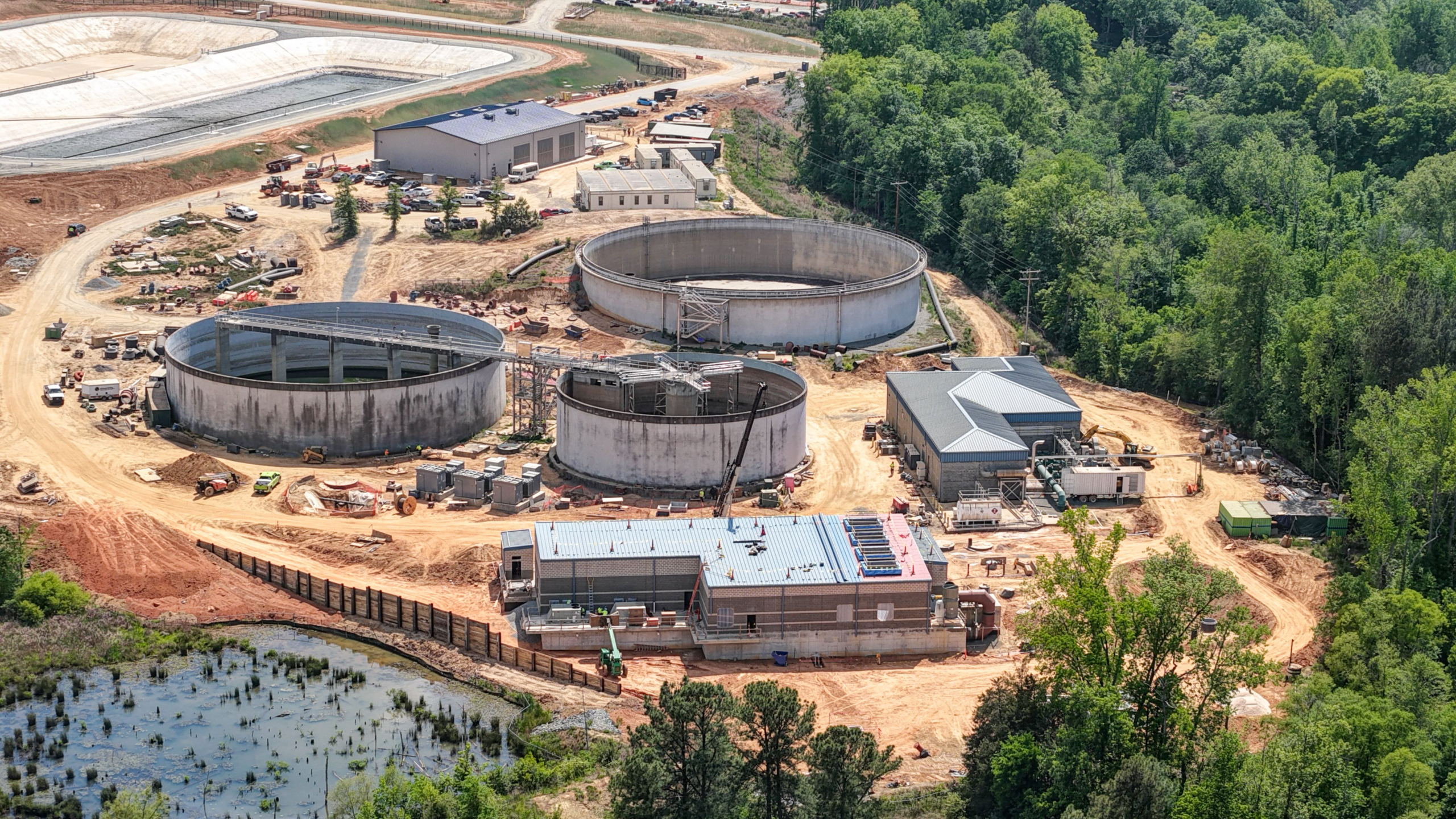
At this point, the flow can take one of two paths.
On a typical day, it goes directly to the Day Tanks, where the water is held before being pumped to the existing Long Creek Pump Station and continue through underground pipeline connections from Long Creek to Stowe.
Alternatively, flow can be routed into the Equalization Basins, which serve as temporary storage during periods of higher demand when there is a lot of flow – like storm events. These basins help balance system loads, prevent overflows, and ensure Stowe can treat water efficiently, even during peak flows. Each basin includes an overflow prevention system to help manage capacity before the stored flow is eventually sent to Stowe for full treatment.
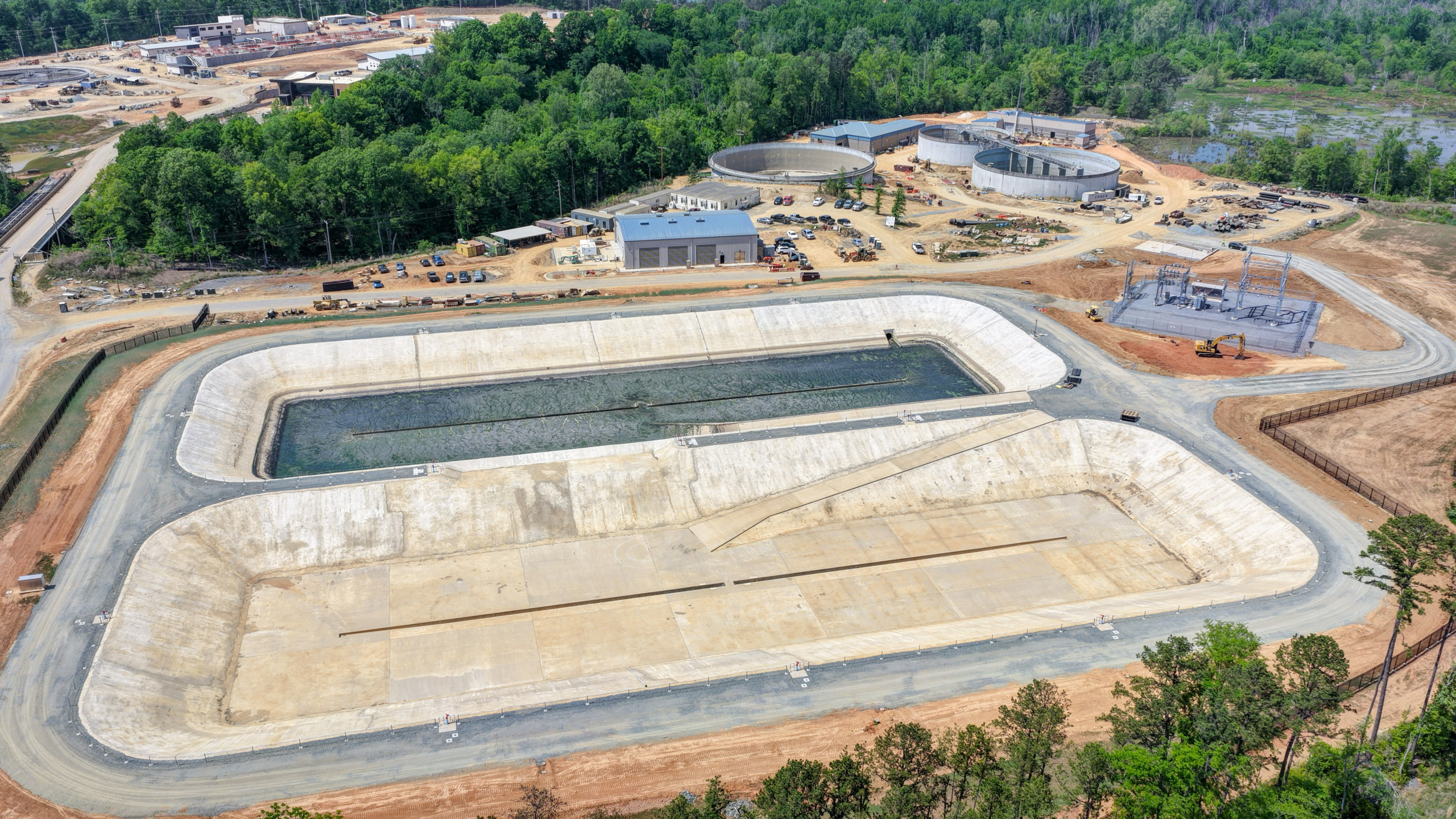
Together, these systems help balance flows, prevent overflows, and keep wastewater moving efficiently through the treatment process, even during peak conditions.
Be sure to check out next month’s newsletter for the next segment of “Follow the Flow,” when we will drill deep under Long Creek!