
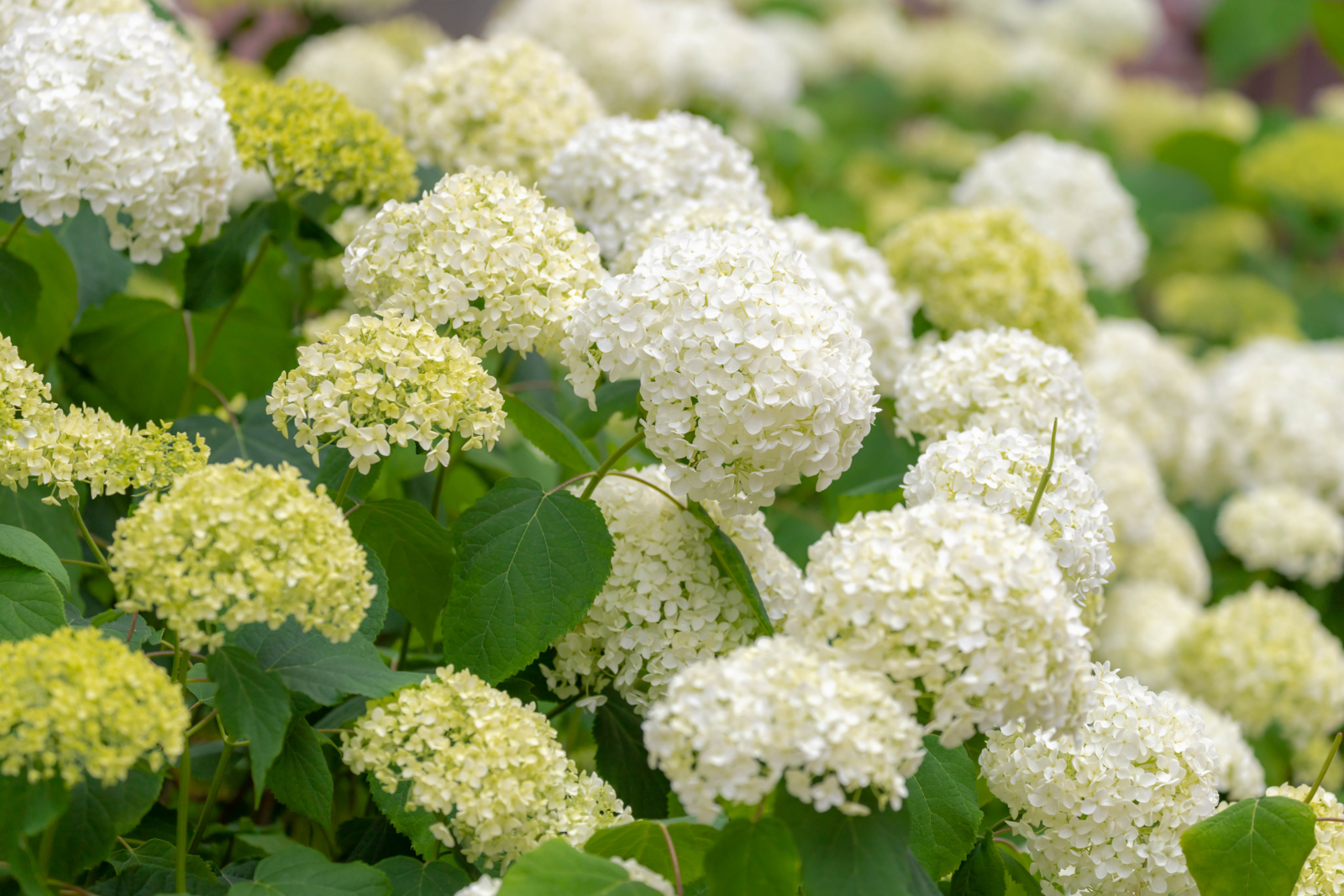
Spring growth is beginning to take shape across the Stowe site, and many of the native plants incorporated into the project were carefully selected to support local wildlife, pollinators, and long-term environmental sustainability.
From native trees to pollinator-friendly plants, Stowe’s landscaping plan was designed to support the local environment while adding natural beauty throughout the site. The landscaping plan for the Stowe Facility includes dozens of plant species native to the Carolinas—including 17 “Species of Cultural Significance” for Catawba Nation.
Flora Focus highlights the native species around the site. You will learn about the role they play as habitats, pollinators, and traditional sources of food, medicine, and materials significant to Catawba Nation.
This month’s Flora Focus highlights a few of the native species helping bring the landscape to life.
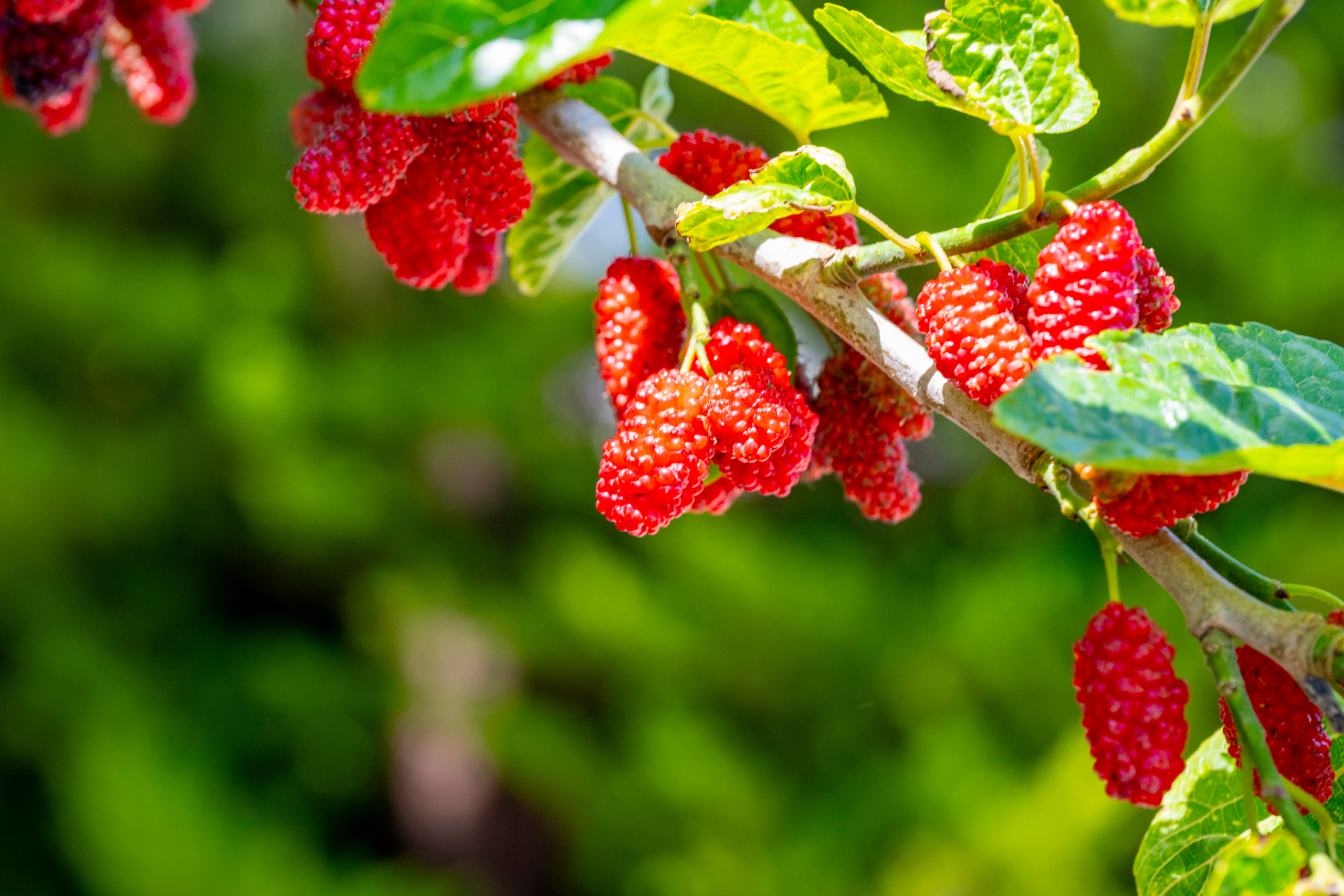
Red Mulberry (Morus Rubra) - The Red Mulberry, a tree native to the eastern United States, is known for its sweet berries. Historically, its roots were used in teas for digestive health, its sap applied for skin ailments, and its bark used for textiles. At Stowe, the Red Mulberry supports pollinators and birds, while adding seasonal beauty.
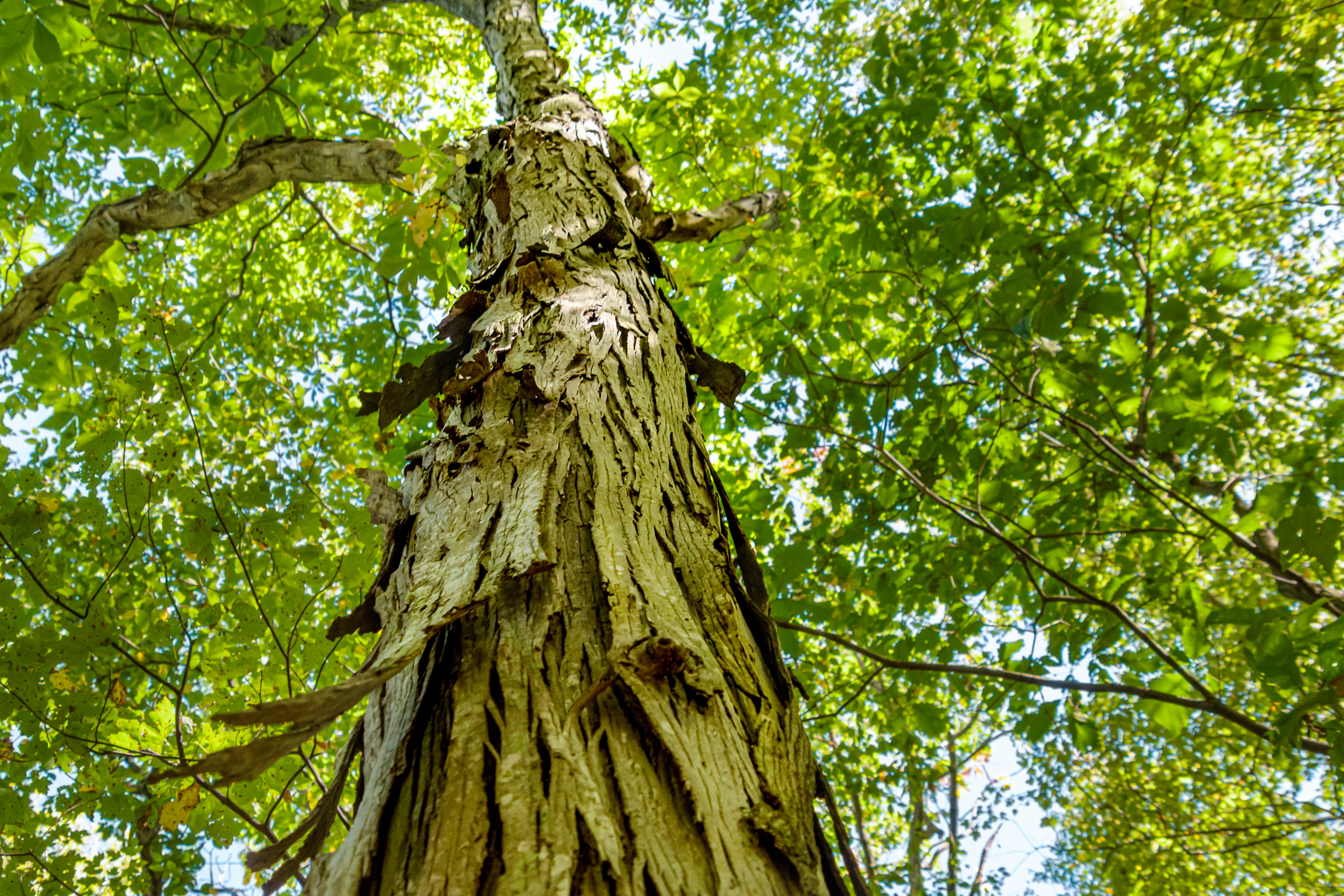
Shagbark Hickory (Carya Ovata) – The Shagbark Hickory, a native tree of the eastern United States, is known for its sweet seeds and sap, which were traditionally used to make a type of butter. Green leaves were applied to sores for their soothing properties. At Stowe, Shagbark Hickory enhances the native landscape, providing food and shelter for wildlife.
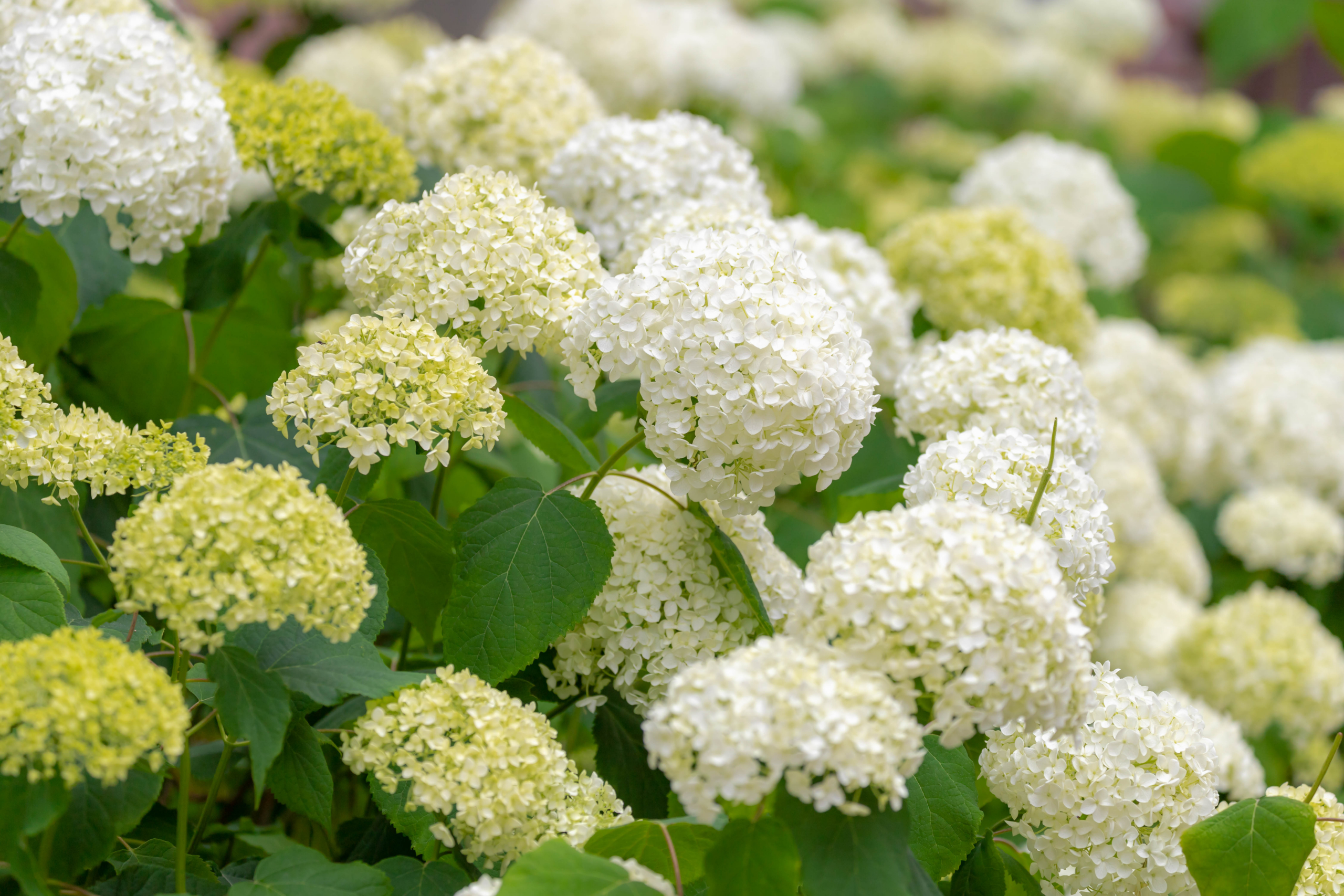
Smooth Hydrangea (Hydrangea arborescens) – Smooth Hydrangea is valued for both its striking blooms and traditional medicinal uses. Historically, the branch bark was peeled to make teas, poultices were applied to wounds, burns, and sore muscles, and chewing the bark was believed to aid digestion. At Stowe, Smooth Hydrangea adds seasonal beauty and attracts pollinators.