
As summer begins and the longest days of the year arrive, native plants throughout the Stowe site continue to support local wildlife, pollinators, and the surrounding ecosystem. Carefully selected native species help create a resilient landscape that reflects the region’s natural heritage while contributing to long-term environmental sustainability.
From flowering trees to evergreen species, Stowe’s landscaping plan was designed to support the local environment while adding natural beauty throughout the site. The landscaping plan for the Stowe Facility includes dozens of plant species native to the Carolinas, including 17 “Species of Cultural Significance” for Catawba Nation.
Flora Focus highlights the native species around the site. You will learn about the role they play as habitats, pollinators, and traditional sources of food, medicine, and materials significant to Catawba Nation.
This month’s Flora Focus highlights three native species that have long served ecological, cultural, and practical purposes throughout the region.
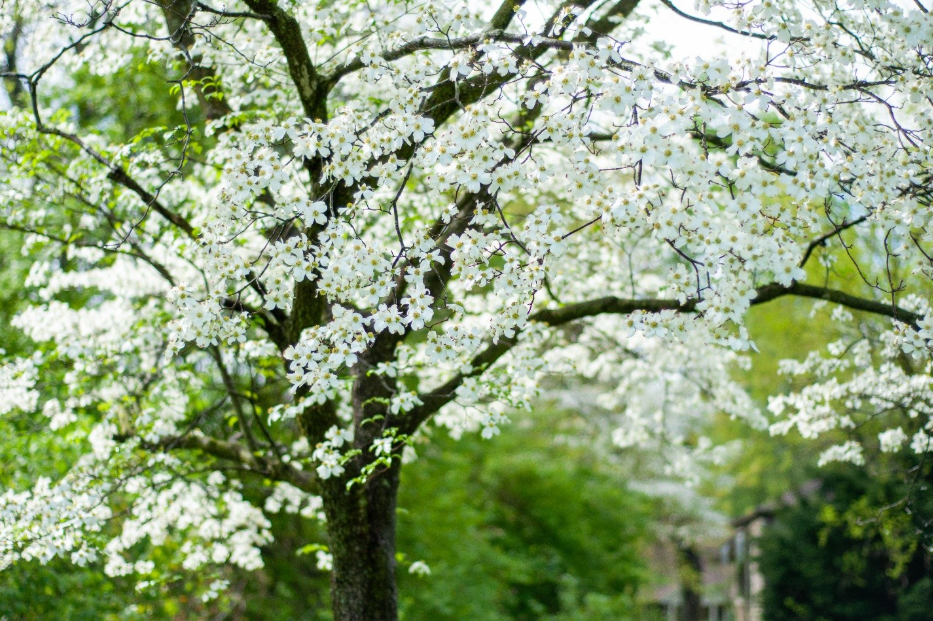
Flowering Dogwood (Cornus florida) – The Flowering Dogwood is one of the most recognizable native trees in the Carolinas, known for its beautiful spring blooms and vibrant seasonal color. Historically, various parts of the tree were used by Catawba Nation for traditional remedies. The fruit was eaten to help relieve chills, bark was chewed for headaches, and infusions made from the bark, roots, and flowers were used for a variety of ailments. At Stowe, Flowering Dogwood adds seasonal beauty while providing food and habitat for birds, pollinators, and other wildlife.
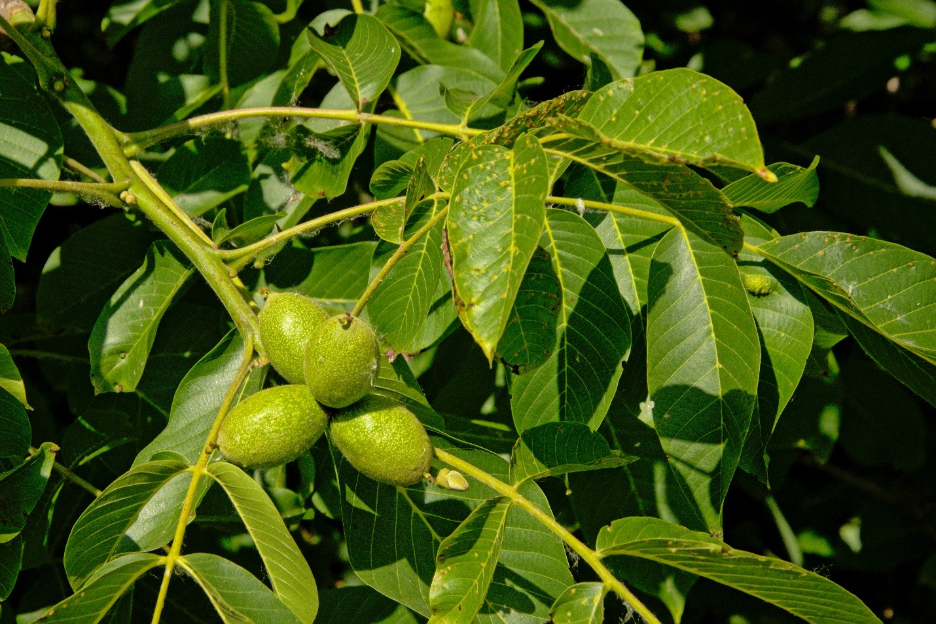
Black Walnut (Juglans nigra) – Black Walnut is a large native tree valued for both its edible nuts and practical uses. Historically, the nuts, oil, and sap were consumed as food, while infusions made from the bark and leaves were used for traditional medicinal purposes. The tree was also an important source of natural dyes, producing yellow, brown, and black pigments from its husks, leaves, stems, nuts, and bark. At Stowe, Black Walnut contributes to the site’s diverse native landscape while providing a valuable food source for wildlife.
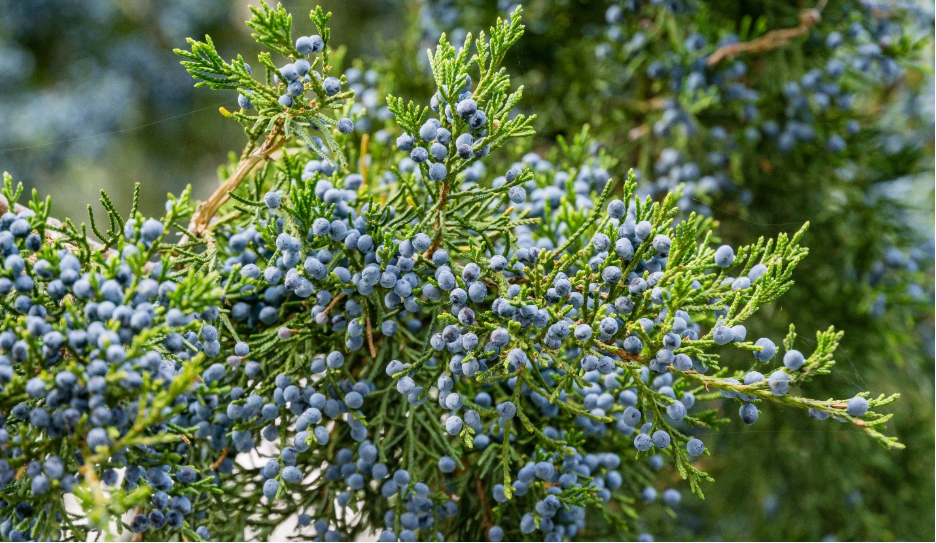
Eastern Red-Cedar (Juniperus virginiana) –Eastern Red-Cedar is a species of juniper native to eastern North America. Its cones can be eaten raw or cooked and have traditionally been used as a flavoring. Historically, infusions and decoctions made from the plant were used for a variety of medicinal purposes, while its aromatic wood served practical functions including incense, insect repellent, fencing, and woodworking. At Stowe, Eastern Red-Cedar provides year-round greenery, shelter for wildlife, and an important source of food for birds.