
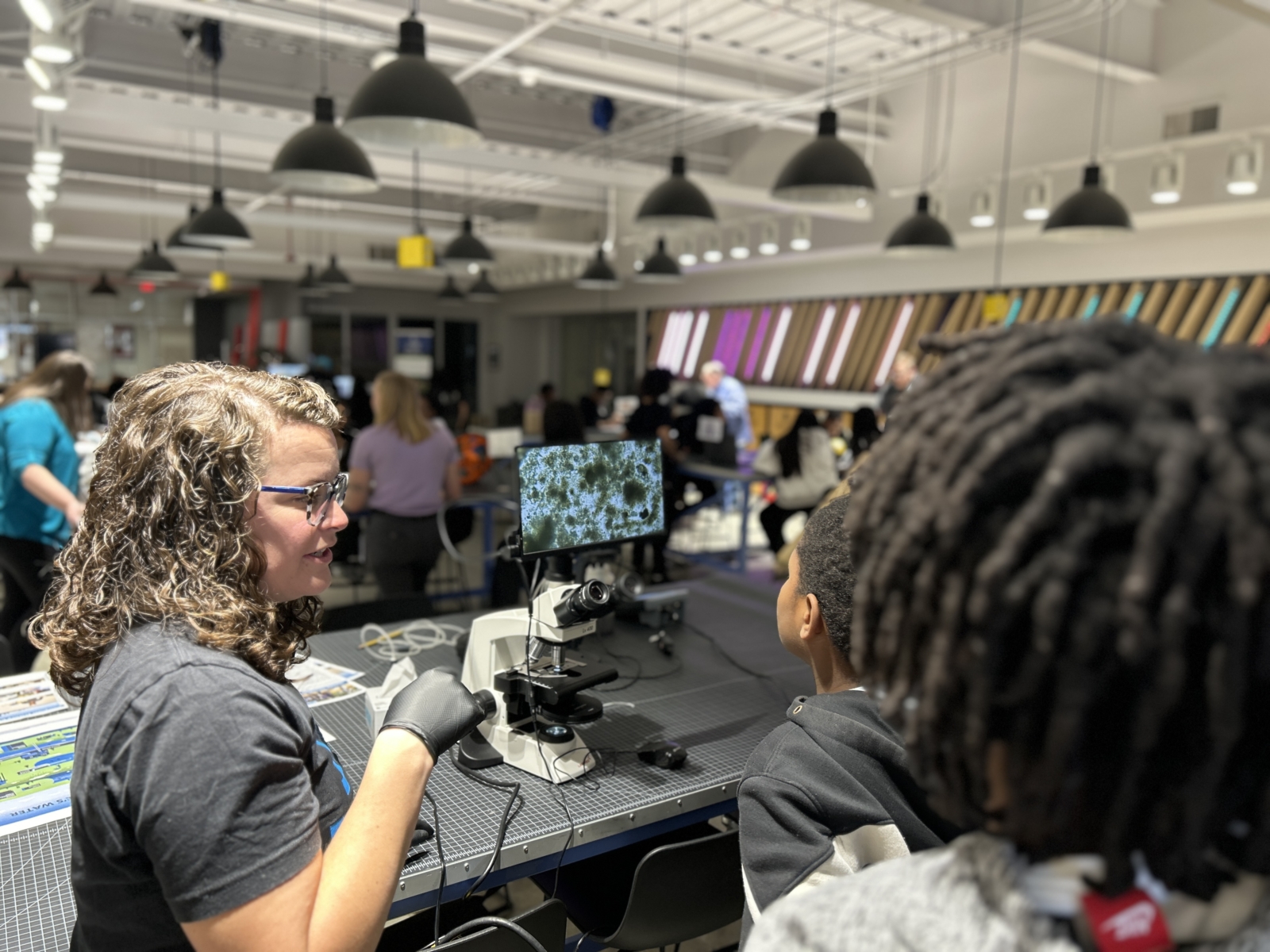
February is a time to make meaningful connections and explore new interests. Some of these interests may help shape future careers. In observance of National Career & Technical Education (CTE) Month, we visited Whitewater Middle School to introduce sixth-grade computer science students to the technological world of water. Students learned about how technology, software, and smart systems power modern water treatment.
With the Stowe Regional Water Resource Recovery Facility taking shape nearby, these students are watching engineering, environmental science, and computer science come together in real time. Soon, the preserved land surrounding the facility will become their outdoor classroom and community space.
CTE prepares students for success by emphasizing real-world skills and practical knowledge that can be applied to future careers. Students in the CTE Program explore a wide variety of college and career opportunities both inside and outside the classroom.
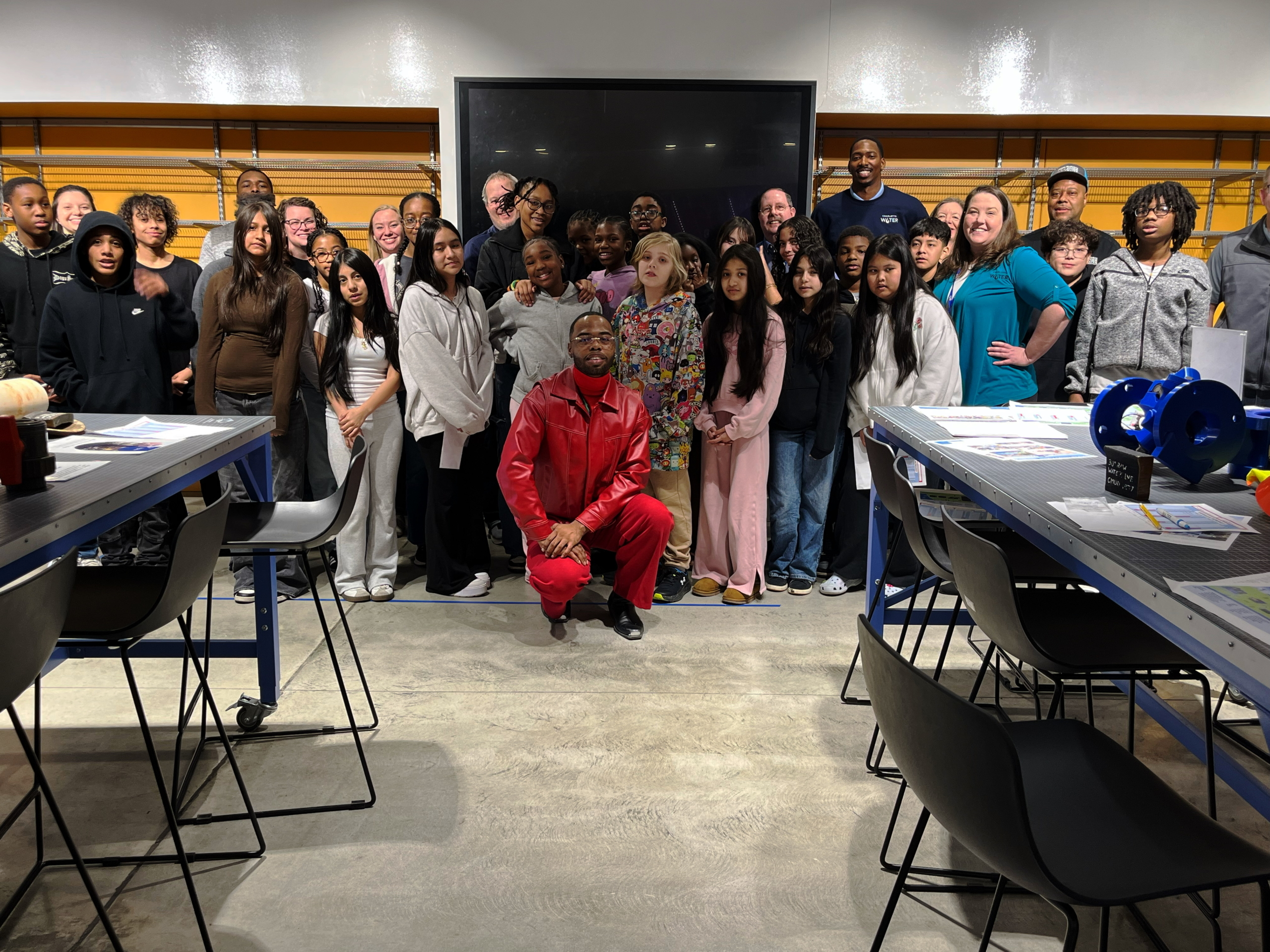
Mr. Jaelon Rutley invited Charlotte Water to join his class in the Innovation Lab to introduce computer science students to various technologies and career fields.
We introduced students to Charlotte Water’s services and infrastructure, explaining how pipes and valves connect our city.
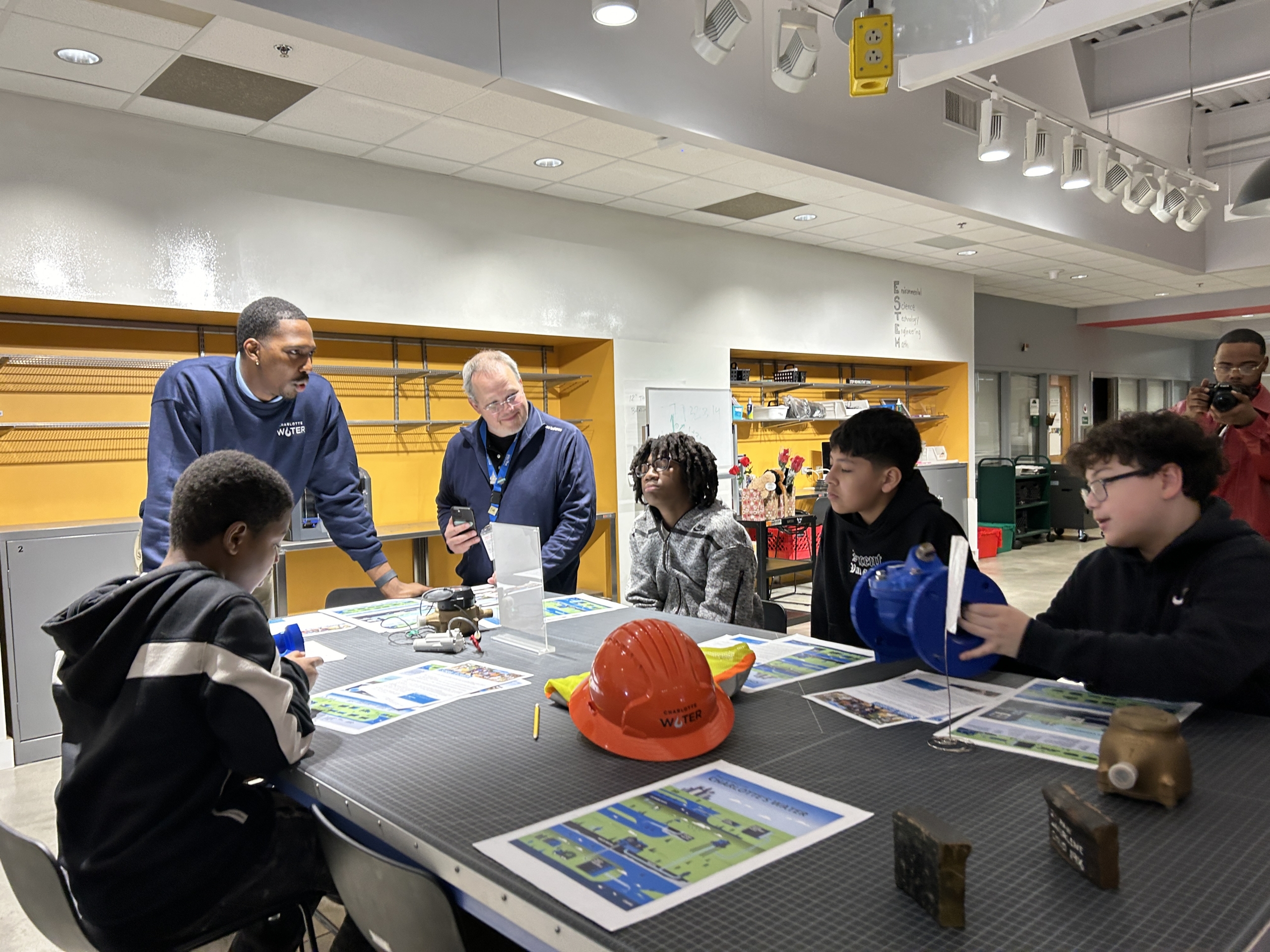
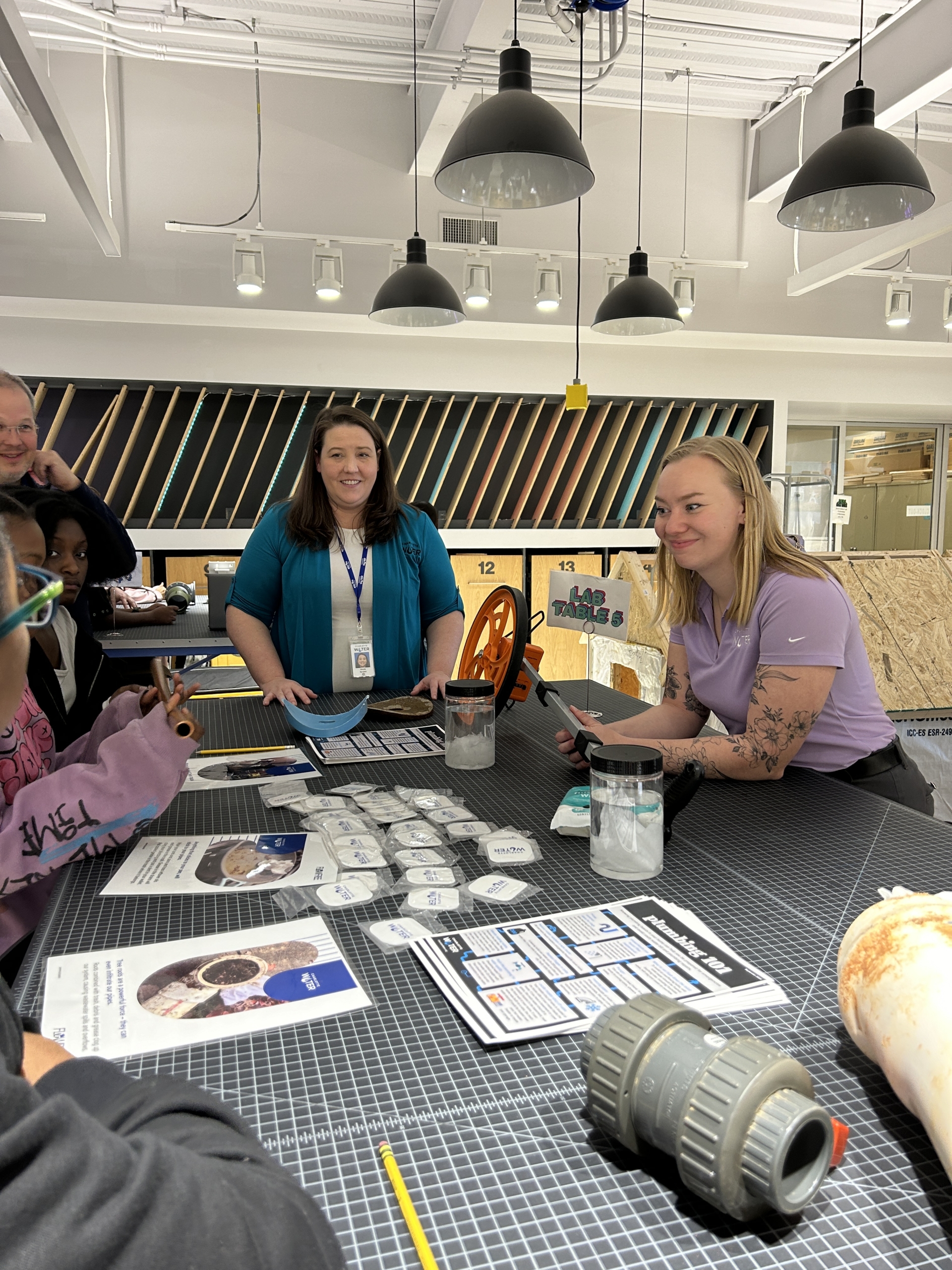
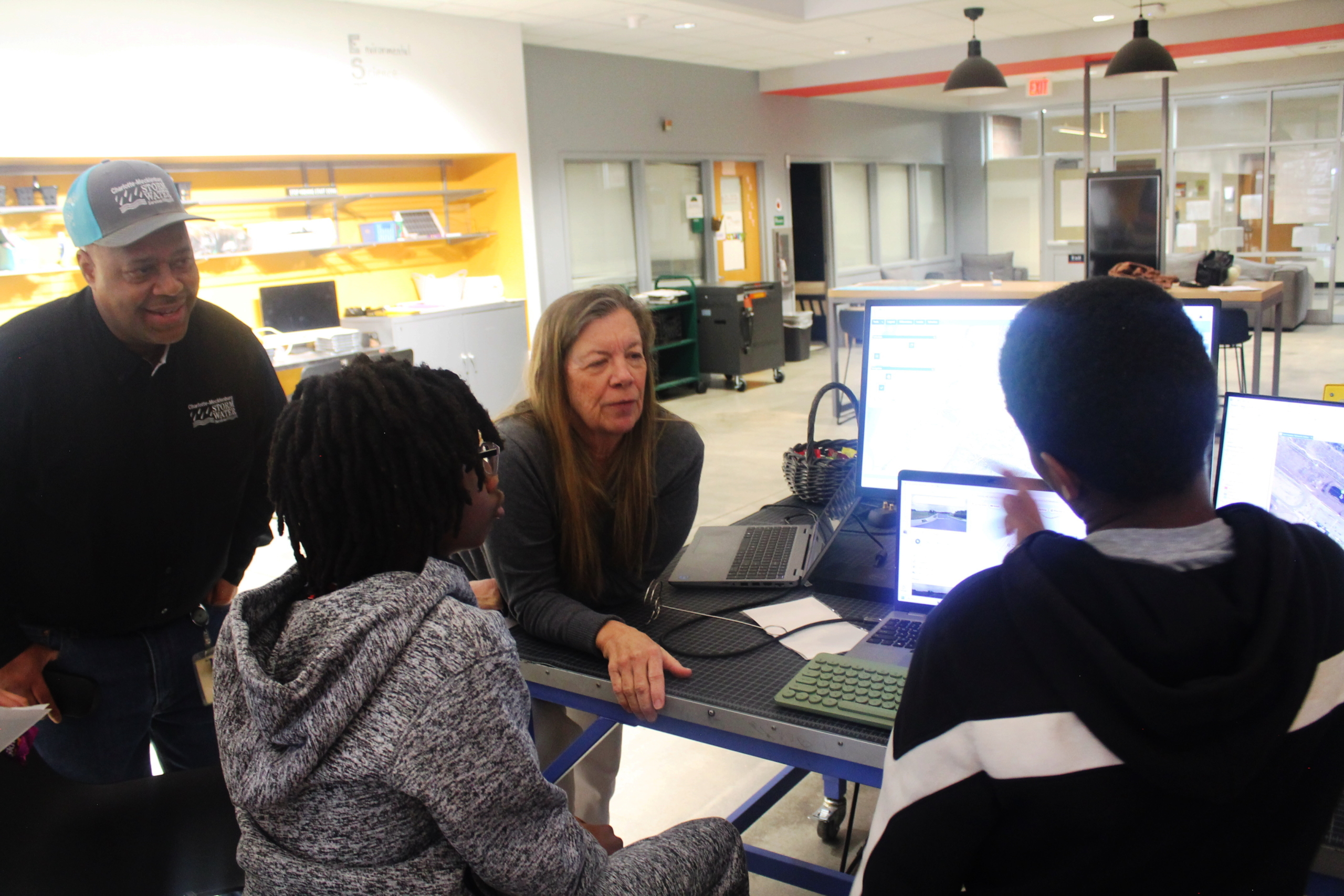
Charlotte-Mecklenburg Stormwater Services let students explore the map of our underground pipeline system at a desktop computer station.
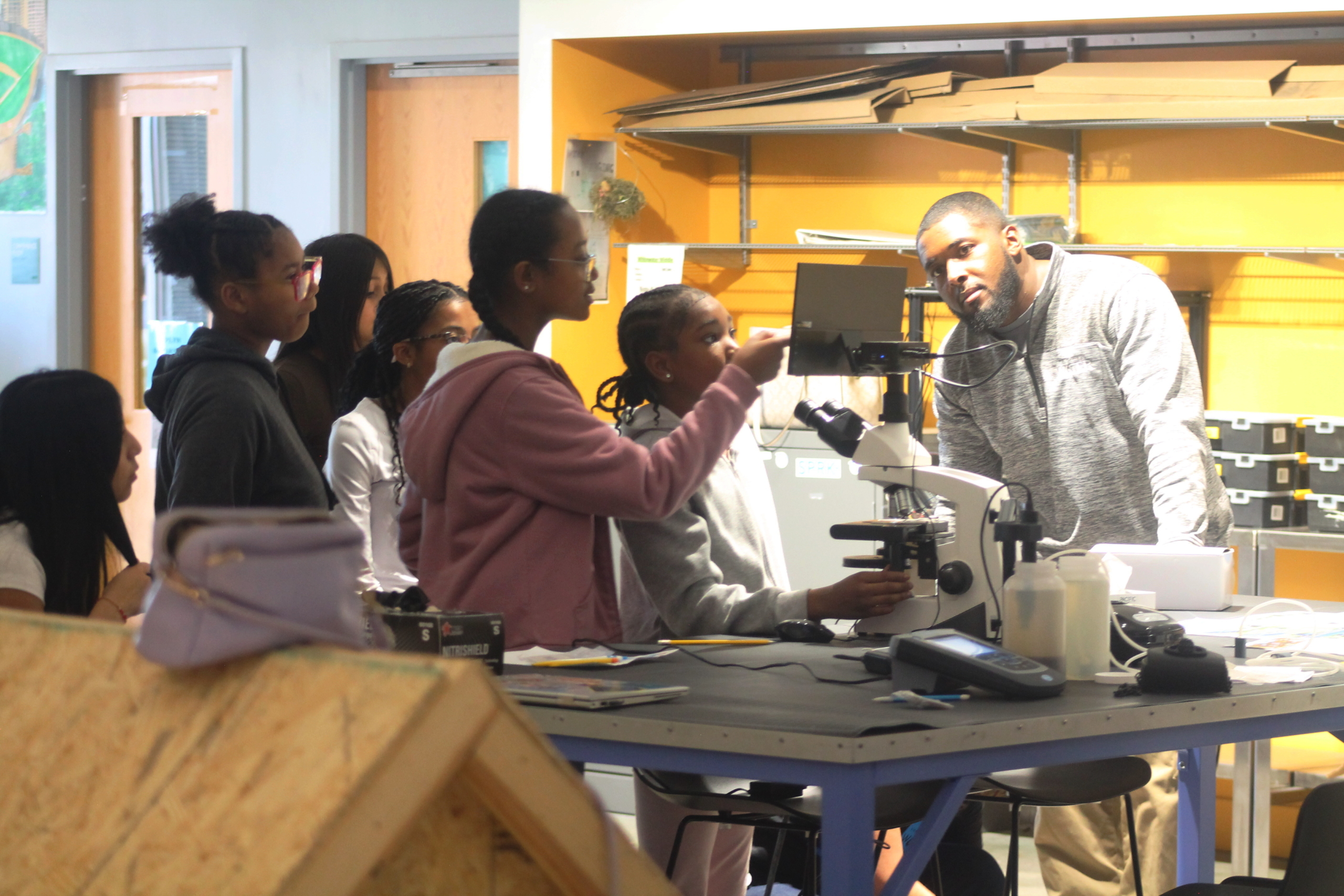
The Charlotte Water Environmental Management Division brought in a microscope for students to get hands-on experience exploring the microscopic world in water.
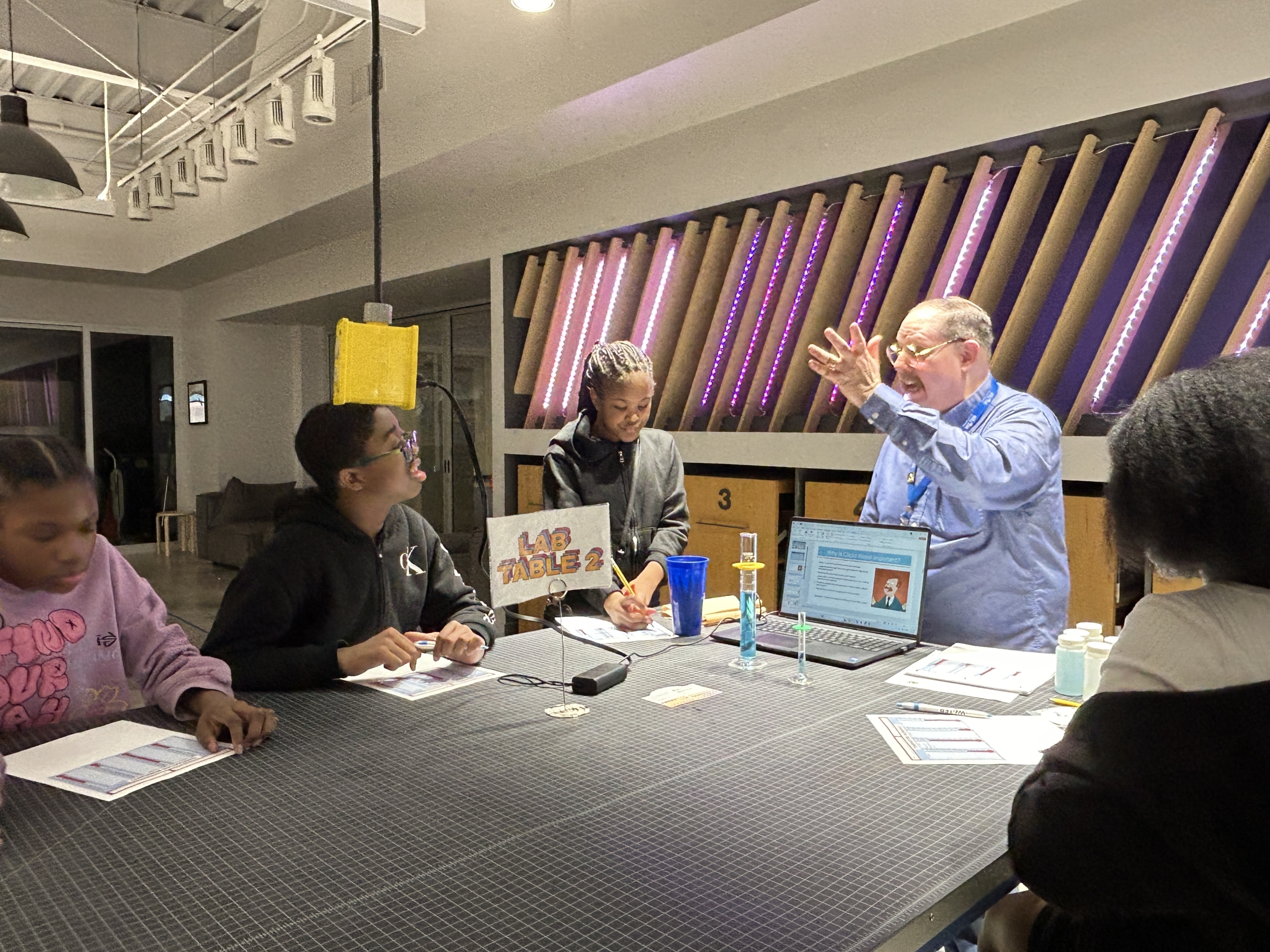
Water test kits and analog thermometers were brought in from the Charlotte Water Lab for students to practice reading temperature, pH and other important water quality metrics.
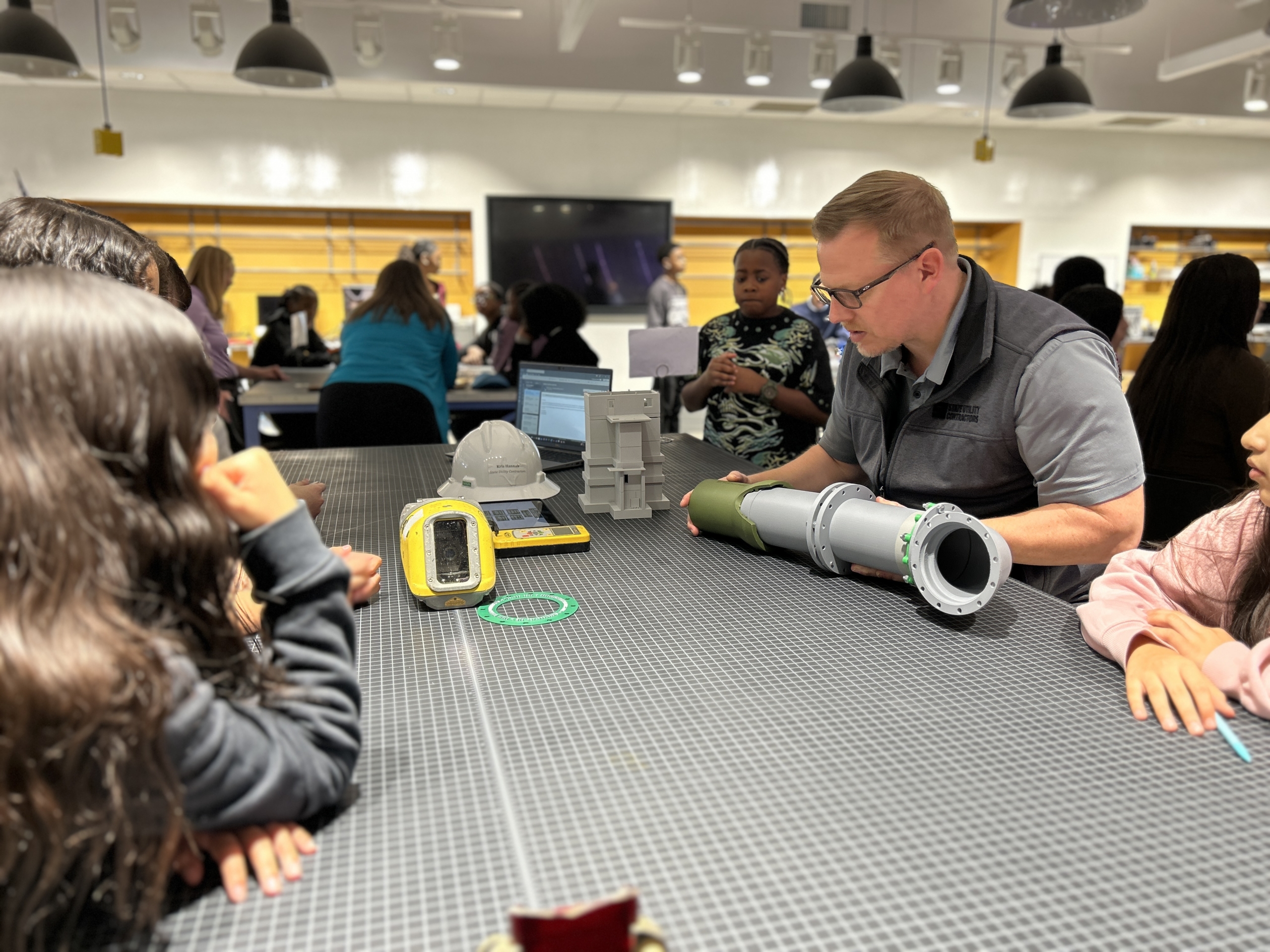
Finally, State Utility Contractors, our partner on the Stowe Project, brought in field equipment and discussed careers in construction.
This helped them think about how the things they learn in class hold real value, and whether careers in engineering, technology, or environmental sciences fit their interests and skills. By connecting what students learn in class to real-life examples, students can make smart decisions about their future and the goals they want to reach.