
Throughout the fall season, native plants included in Stowe’s landscaping plan provide food, shelter and other resources for local wildlife and pollinators. These species help create a diverse landscape that supports the local environment while adding natural beauty throughout the site.
Stowe’s landscaping plan includes dozens of plant species native to the Carolinas, including 17 identified as “Species of Cultural Significance” for Catawba Nation.
Flora Focus highlights native species included in the Stowe landscape and the roles they can play in the local ecosystem. Many of these plants also have a long history of traditional uses for food, medicine, dyes, tools, and other materials.
This Flora Focus features three native species with ecological, cultural, and practical significance.
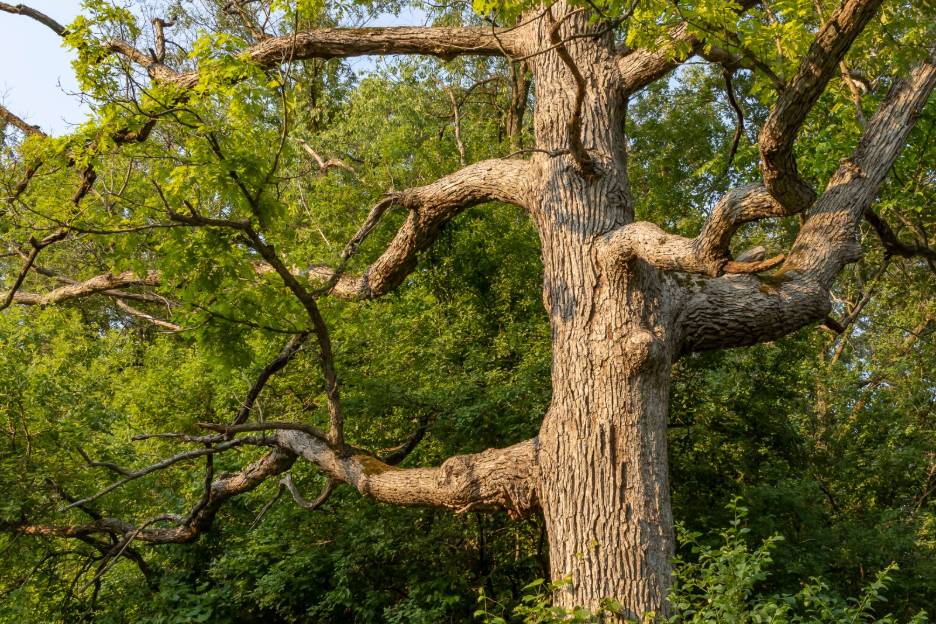
White Oak (Quercus alba) – White Oak is a large native tree that provides food and habitat for a variety of wildlife. Its acorns have traditionally been prepared as food by boiling them to remove tannins, while roasted acorns were also used as a coffee substitute. The inner bark was used in traditional remedies, and other parts of the tree served practical purposes. White Oak was used for basketry and mortars, while oak galls could be used to produce natural dye. At Stowe, White Oak will contribute to the site’s native landscape while providing food and habitat for wildlife.
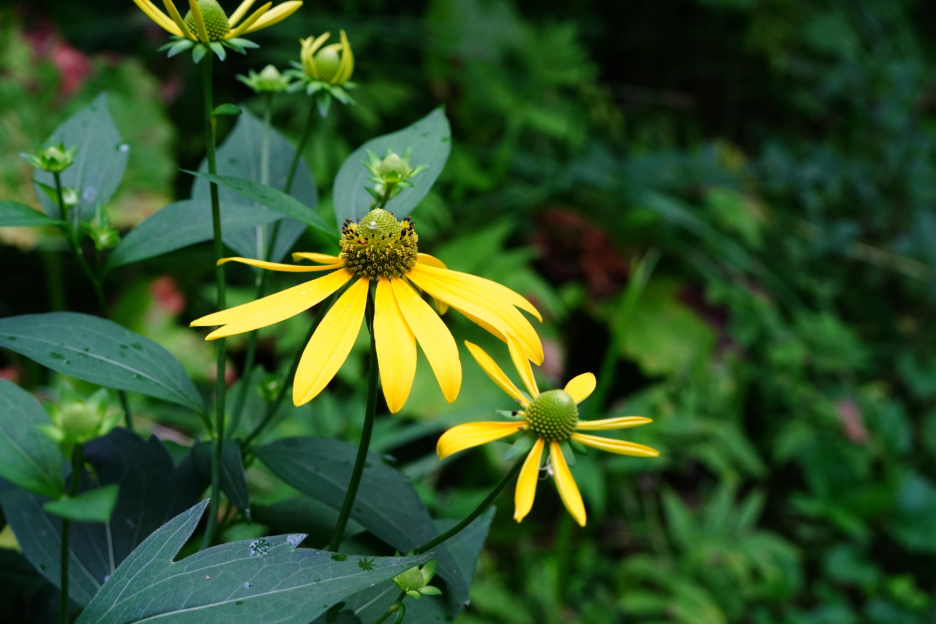
Cutleaf Coneflower (Rudbeckia laciniata) – Cutleaf Coneflower is a native flowering plant known for its tall stems and bright yellow blooms. Its young stems and leaves have traditionally been cooked or dried for later use. The roots and flowers were also used in traditional remedies, and the flowers could be used to create a green dye. At Stowe, Cutleaf Coneflower adds seasonal color while providing nectar and pollen for bees, butterflies, and other pollinators.
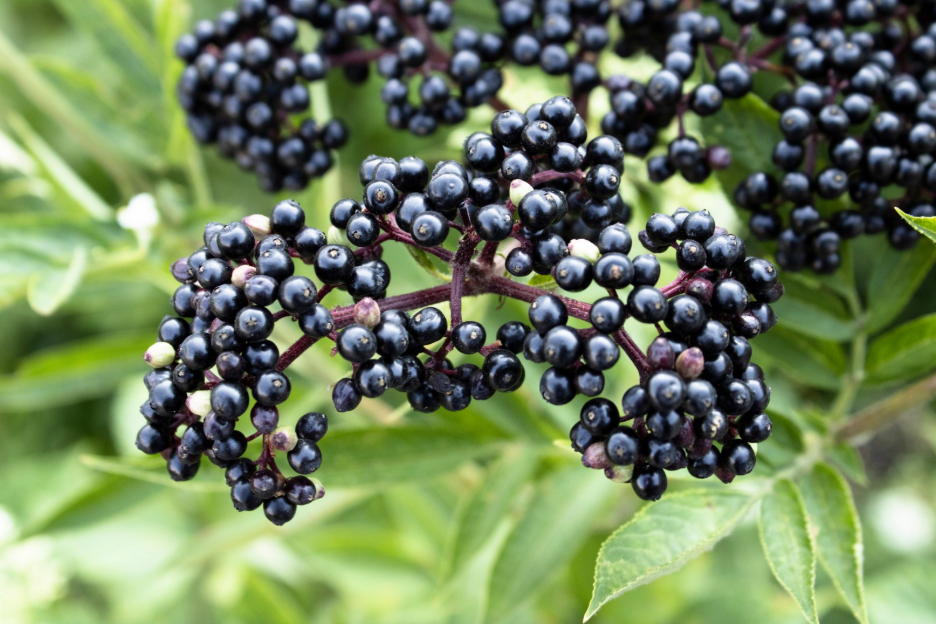
Common Elderberry (Sambucus canadensis) – Common Elderberry is a native shrub that produces clusters of white flowers followed by dark berries. Its fruit has traditionally been cooked and used in foods such as pies, jams, and jellies, while dried flowers were used to make tea. Different parts of the plant were also used for traditional remedies and practical purposes. Dried flowers and leaves were used as insect repellent, while the bark could be used to produce black dye. At Stowe, Common Elderberry provides flowers, fruit, and habitat that can support insects, birds, and other wildlife.